Venetian Castle of Naxos
About
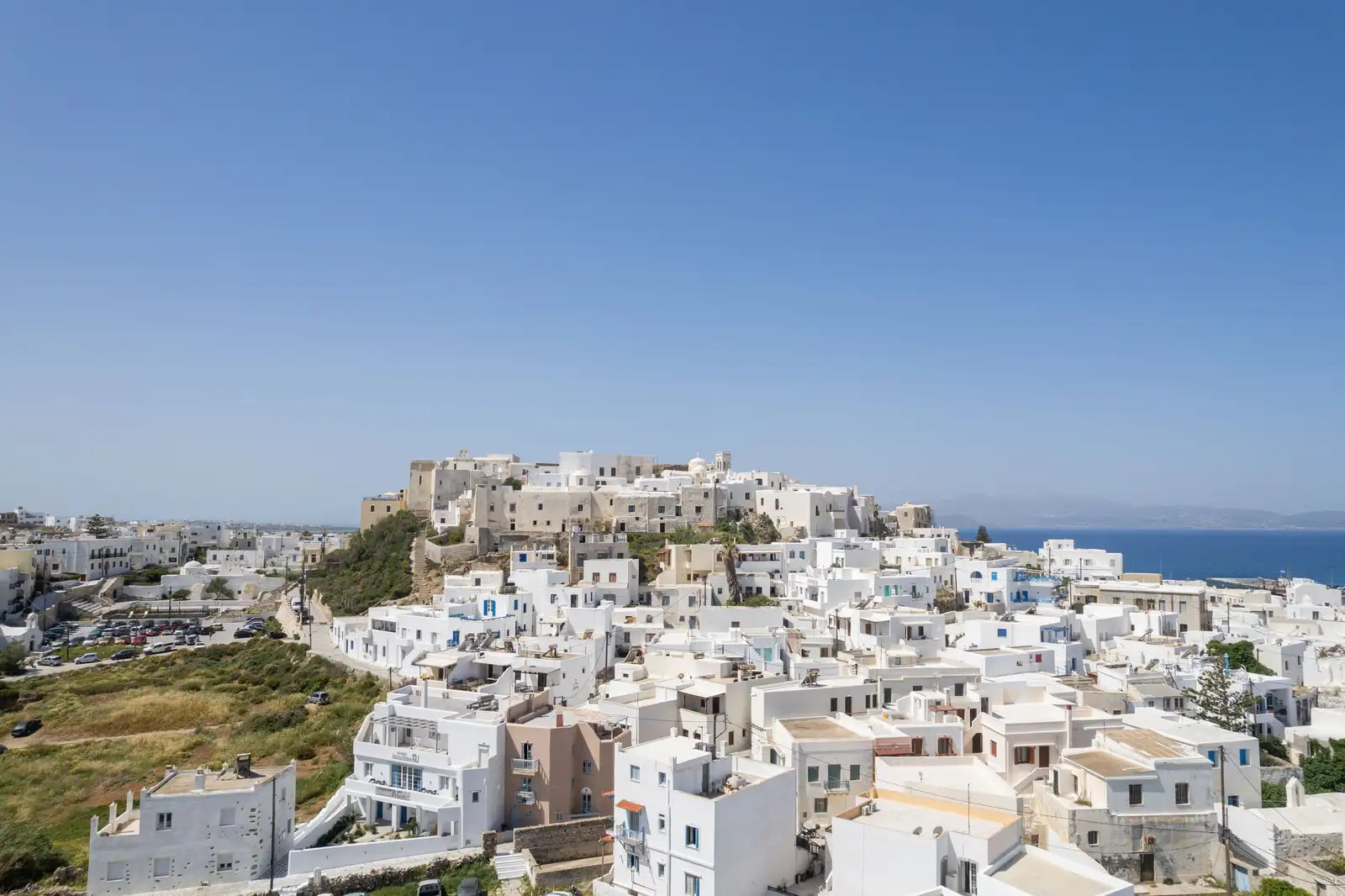
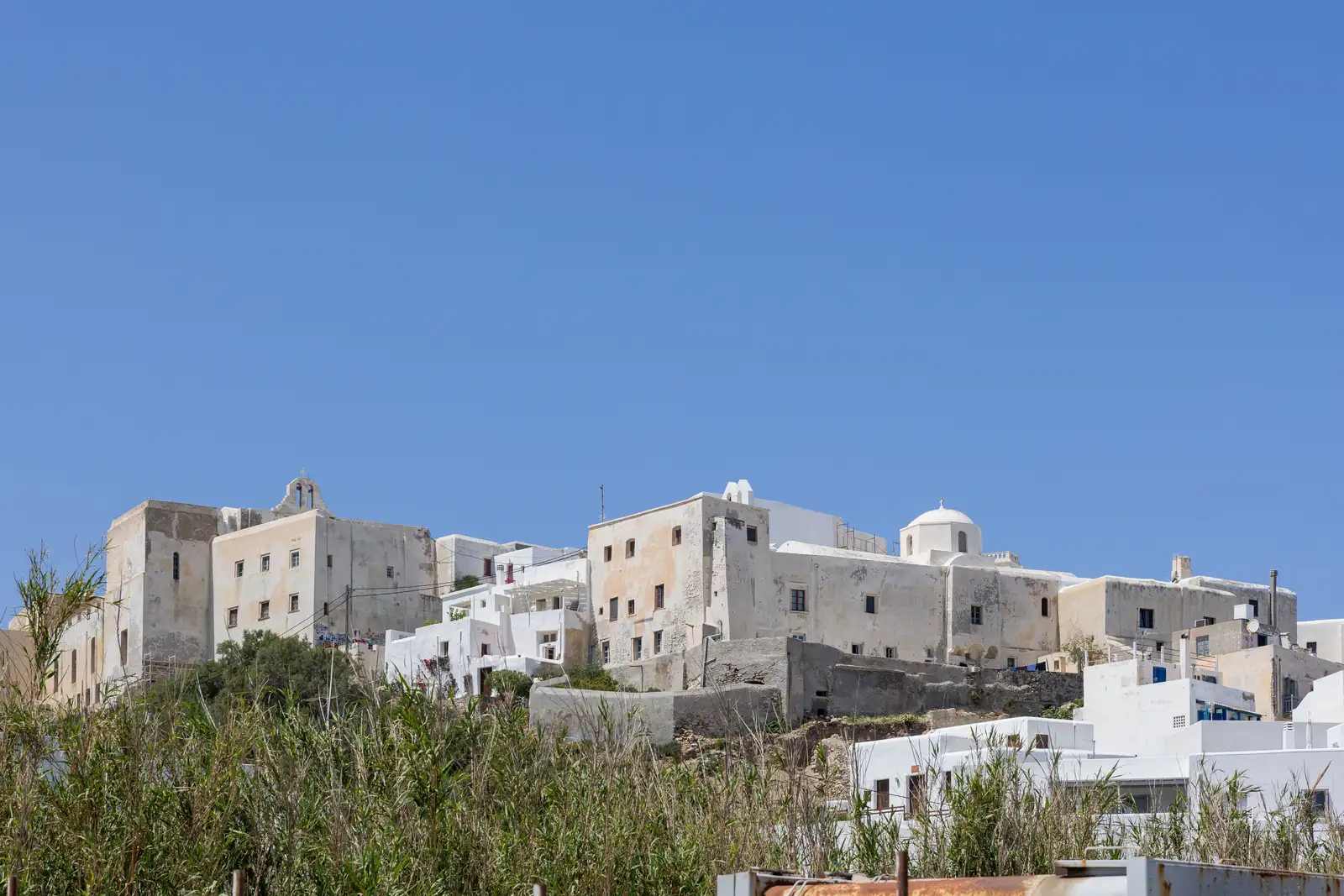
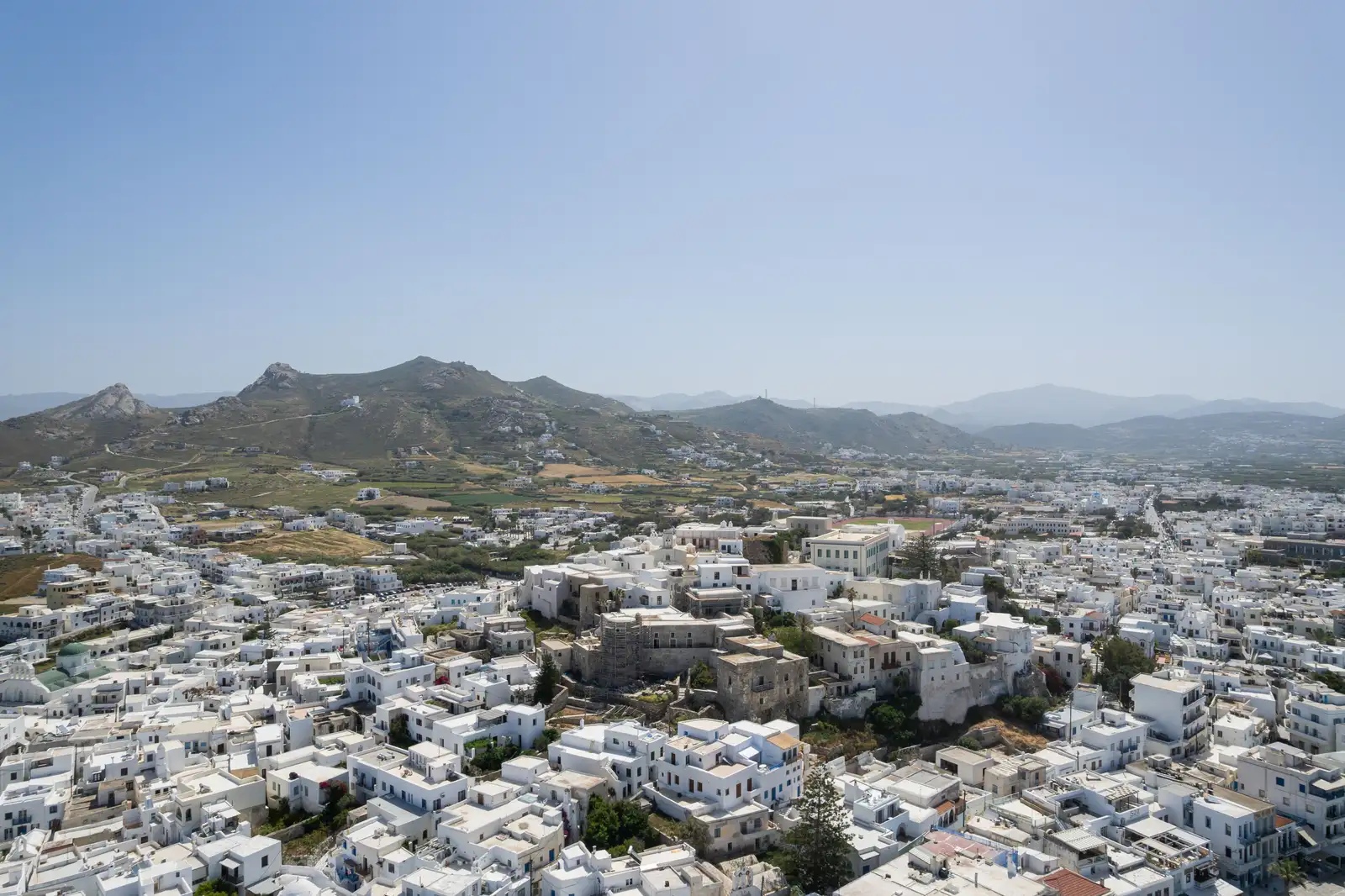
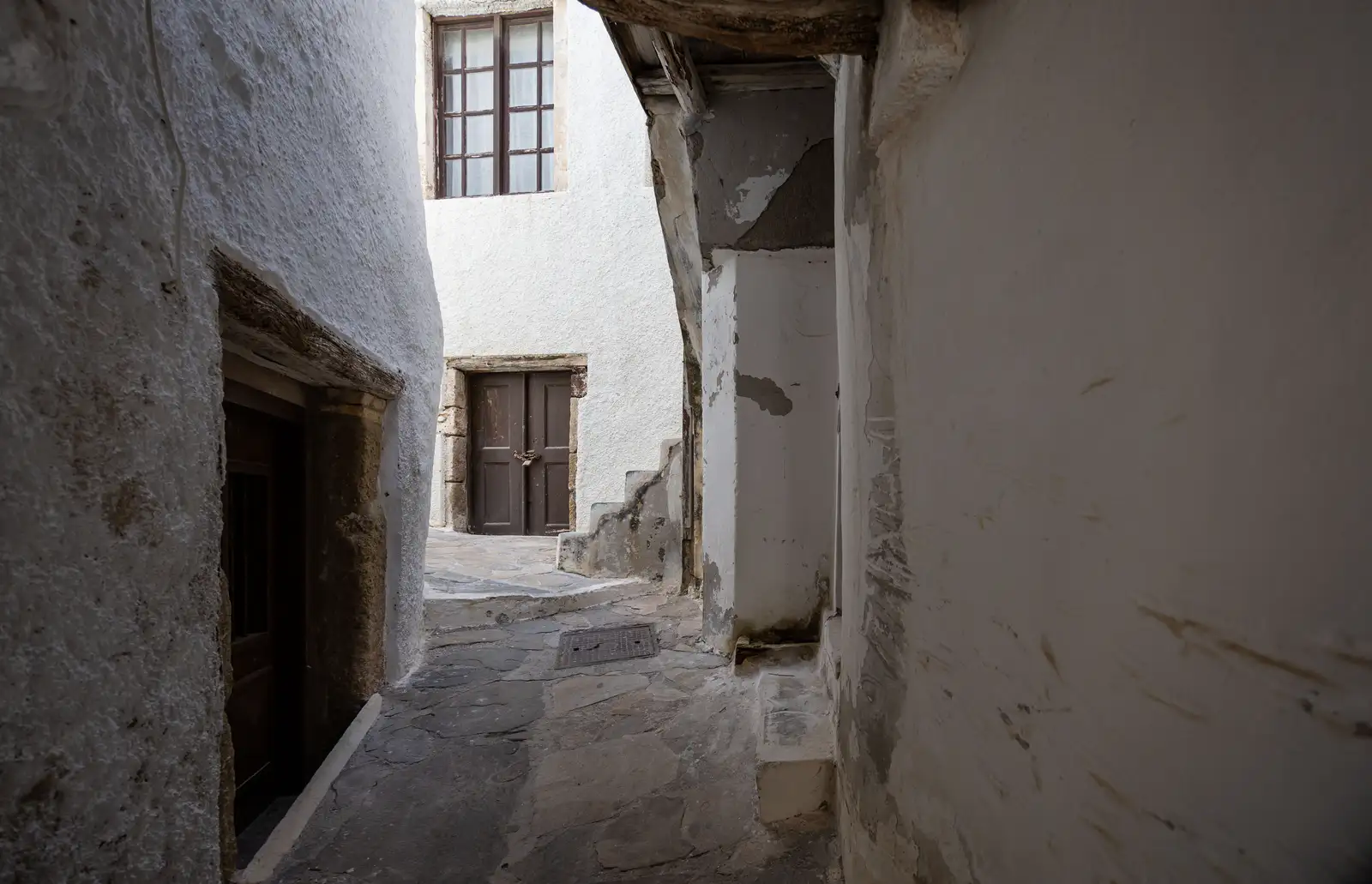
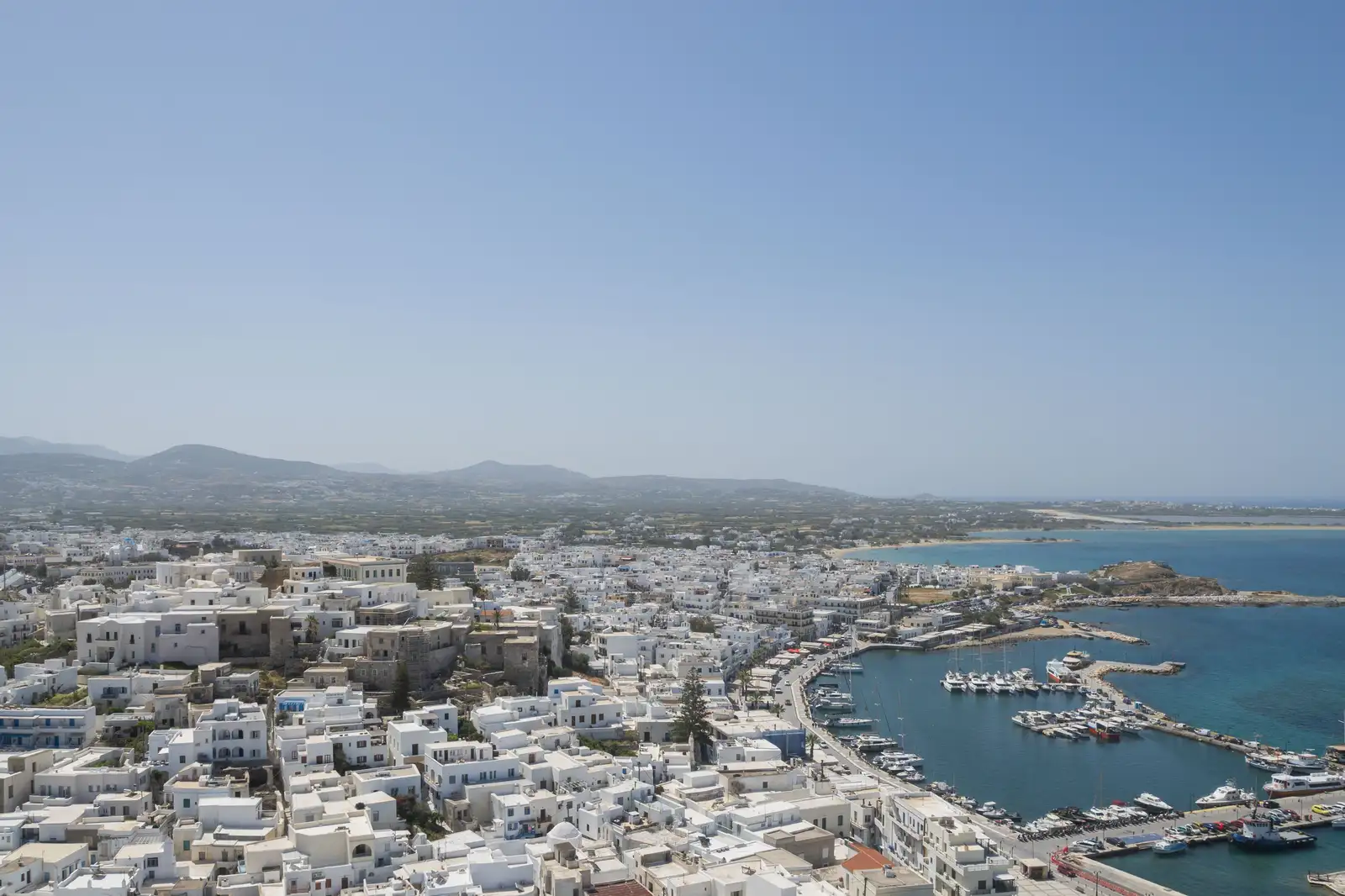
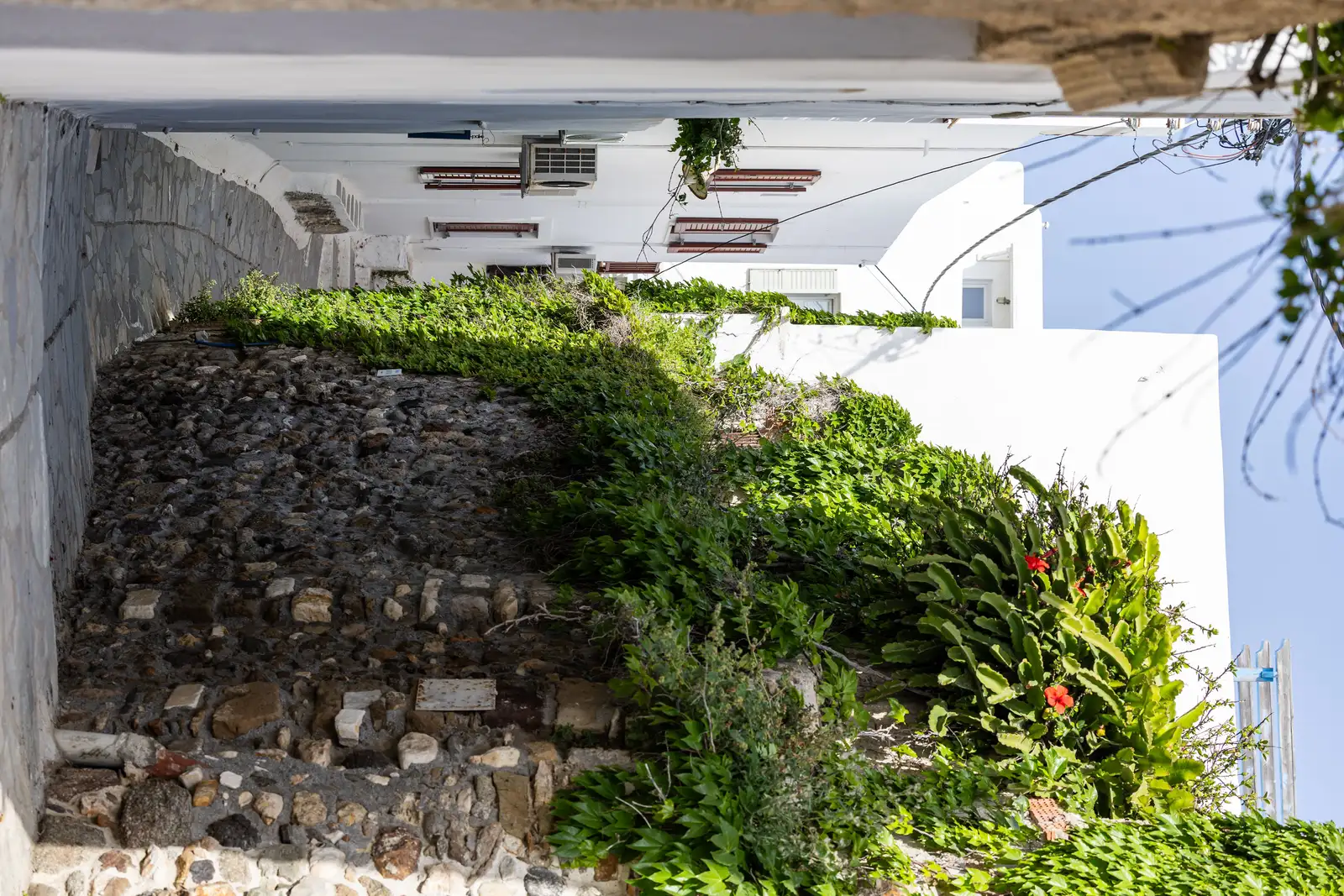
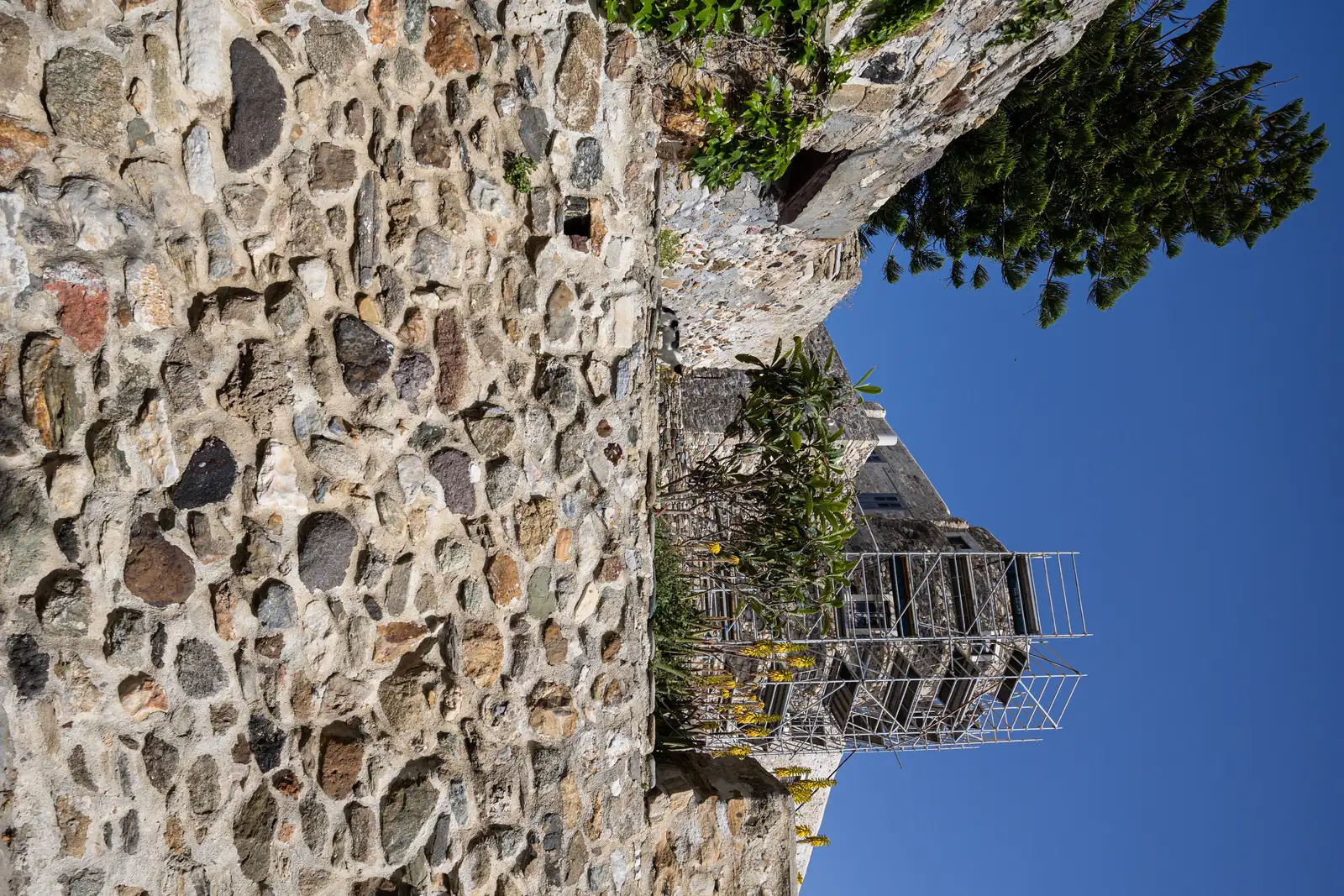
The Venetian Castle of Naxos, known locally as the Kastro, is one of the most remarkable medieval monuments in Greece. Unlike many ancient ruins that sit empty, this castle is a living neighborhood where people still live, work, and walk the same narrow stone paths that were laid down more than eight hundred years ago. It sits on a hill overlooking the harbor of Naxos Town, serving as a quiet, stone-walled escape from the busy shops and restaurants of the waterfront.
A City Built by a Duke
The story of the Kastro began in 1207 when a Venetian nobleman named Marco I Sanudo arrived on the island. After the Fourth Crusade and the Latin conquest of Constantinople in 1204, Sanudo seized several islands in the Aegean and declared himself the Duke of the Archipelago, choosing Naxos Town as his capital. To protect his new seat of power, he built a massive fortress on the site of an ancient acropolis. The castle was designed in a pentagonal shape and was originally protected by twelve massive towers. These towers were not only defensive structures; many also served as private residences for the noble Venetian families who arrived with the Duke. Today, only one of these towers remains fully intact: the Glezos Tower, also known as the Crispi Tower.
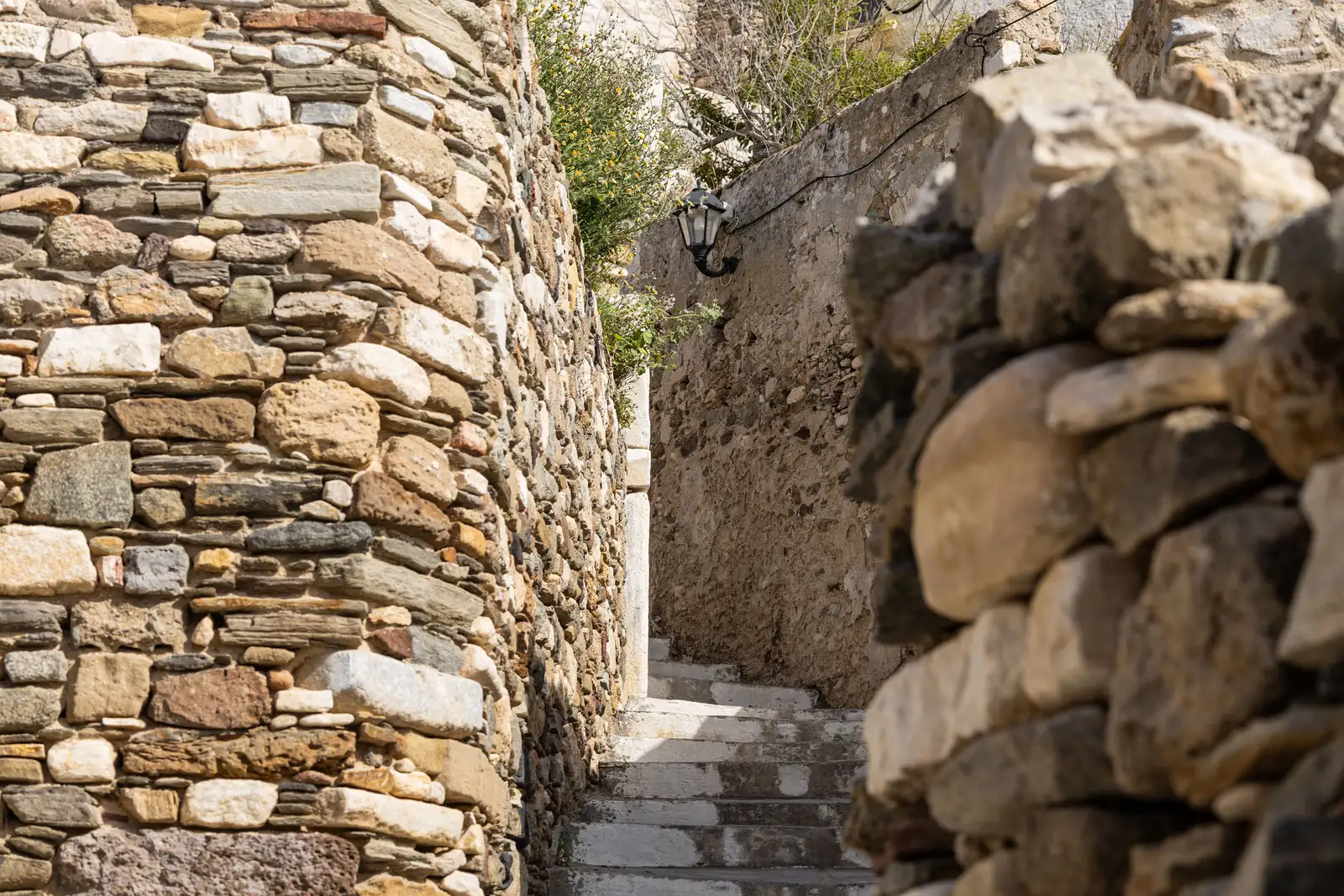
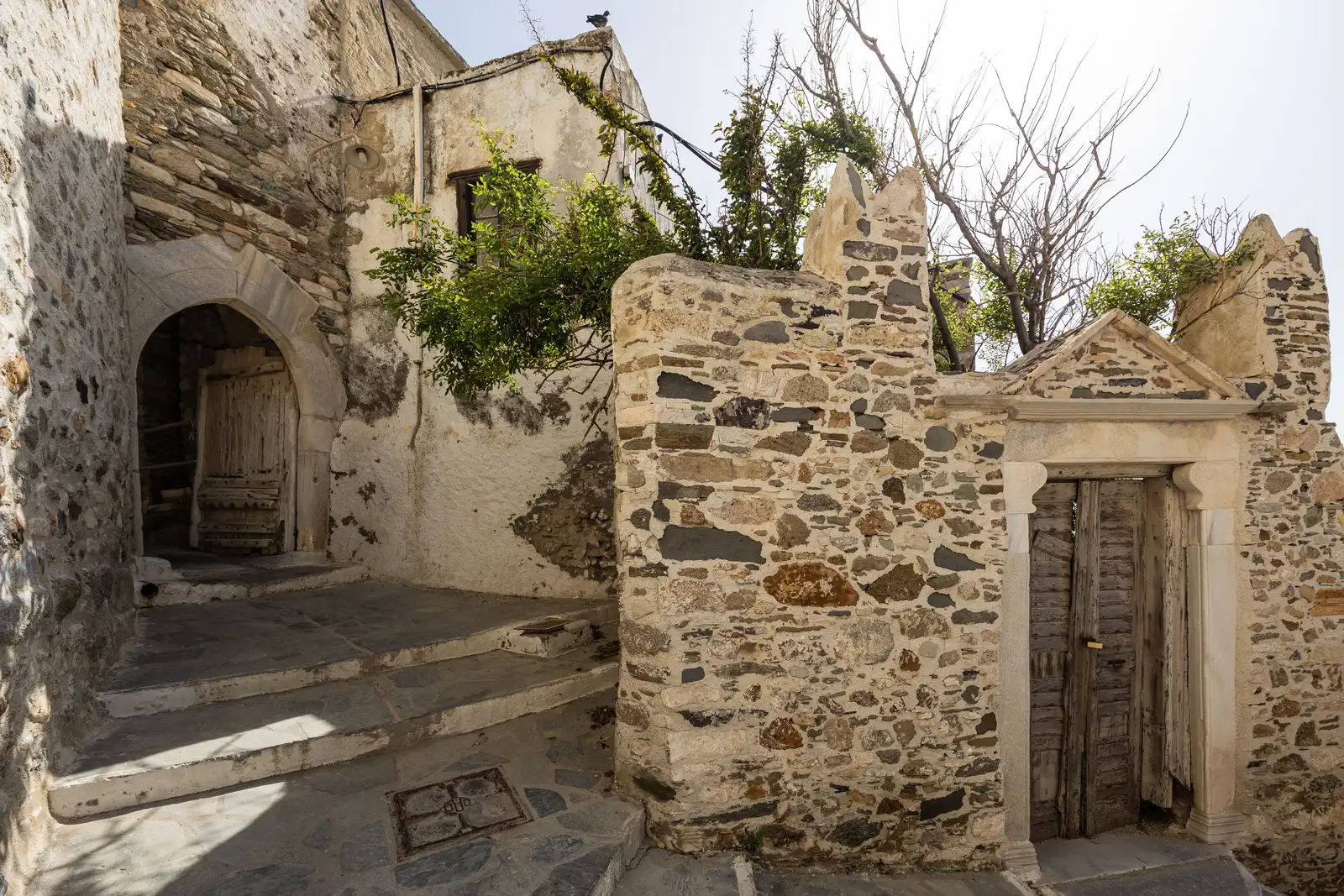
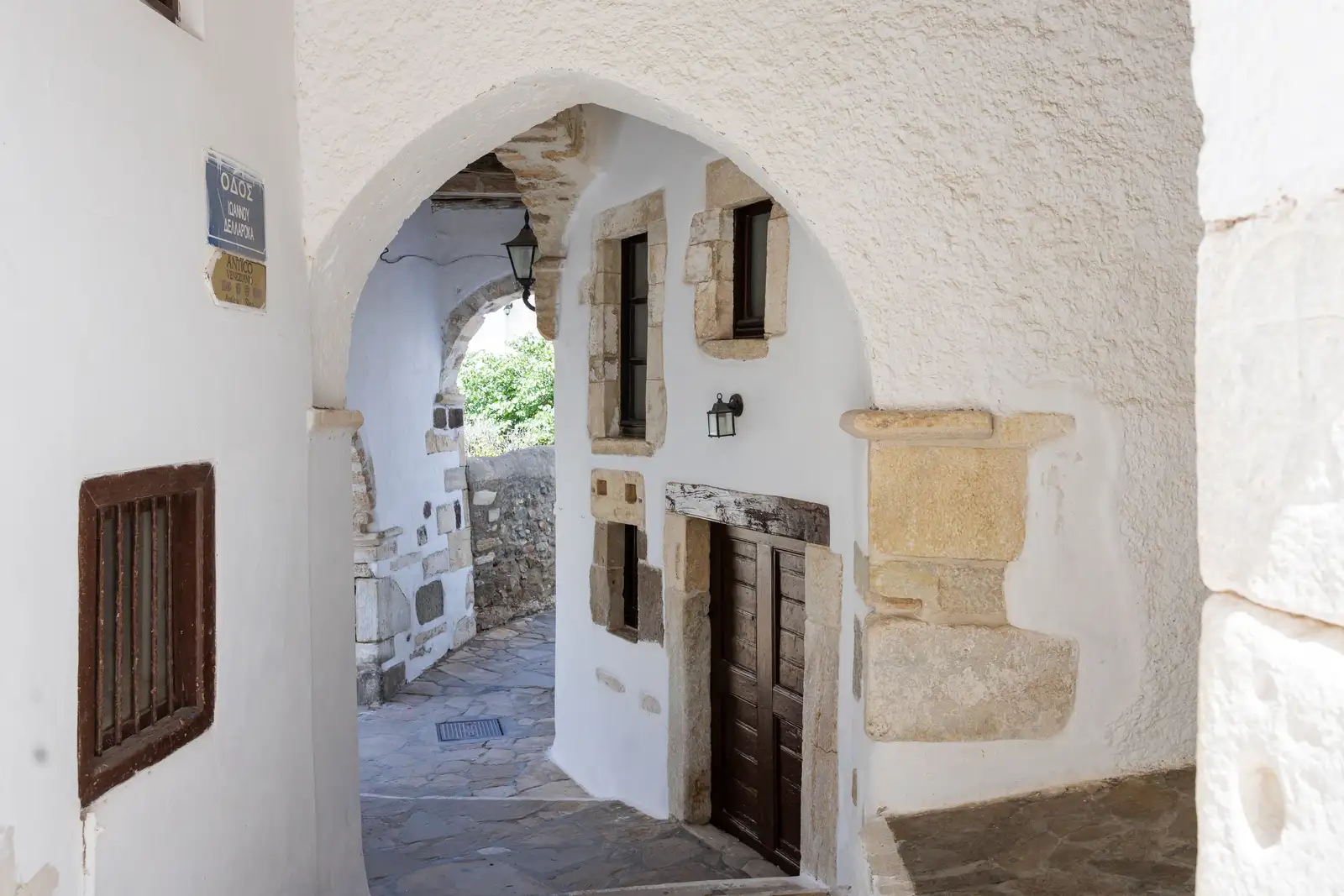
This circular stone giant stands near the main entrance and serves as a powerful reminder of the island’s medieval strength. Entering the Fortress As a visitor, your journey into the Kastro will likely begin at one of its two remaining gates. The most famous is the Trani Porta, or the “Great Gate,” located on the northern side. As you walk through its heavy wooden doors, look closely at the marble doorframe. You will notice a vertical line carved into the stone. In the past, this was a standard Venetian unit of measurement used by merchants to ensure they were selling the correct length of fabric and other goods. Once you step through the gate, the noise of the modern world fades away. The streets inside are narrow and winding, a layout typical of medieval fortified settlements. There are no cars here, only the sound of footsteps on stone and the occasional cat napping in a doorway.
The Heart of the Kastro
At the center of the castle stands the Catholic Cathedral of Naxos, a reminder of the strong Venetian influence that shaped the island for centuries. Although Naxos is part of Greece and predominantly Orthodox Christian, Venetian rule brought Roman Catholicism to the island. The cathedral was founded in the 13th century and took its present form largely during the 16th and 17th centuries, creating a unique blend of Western and Byzantine architectural styles. Inside, the floor is paved with marble tombstones bearing the elaborate coats of arms of Venetian nobles buried beneath them.
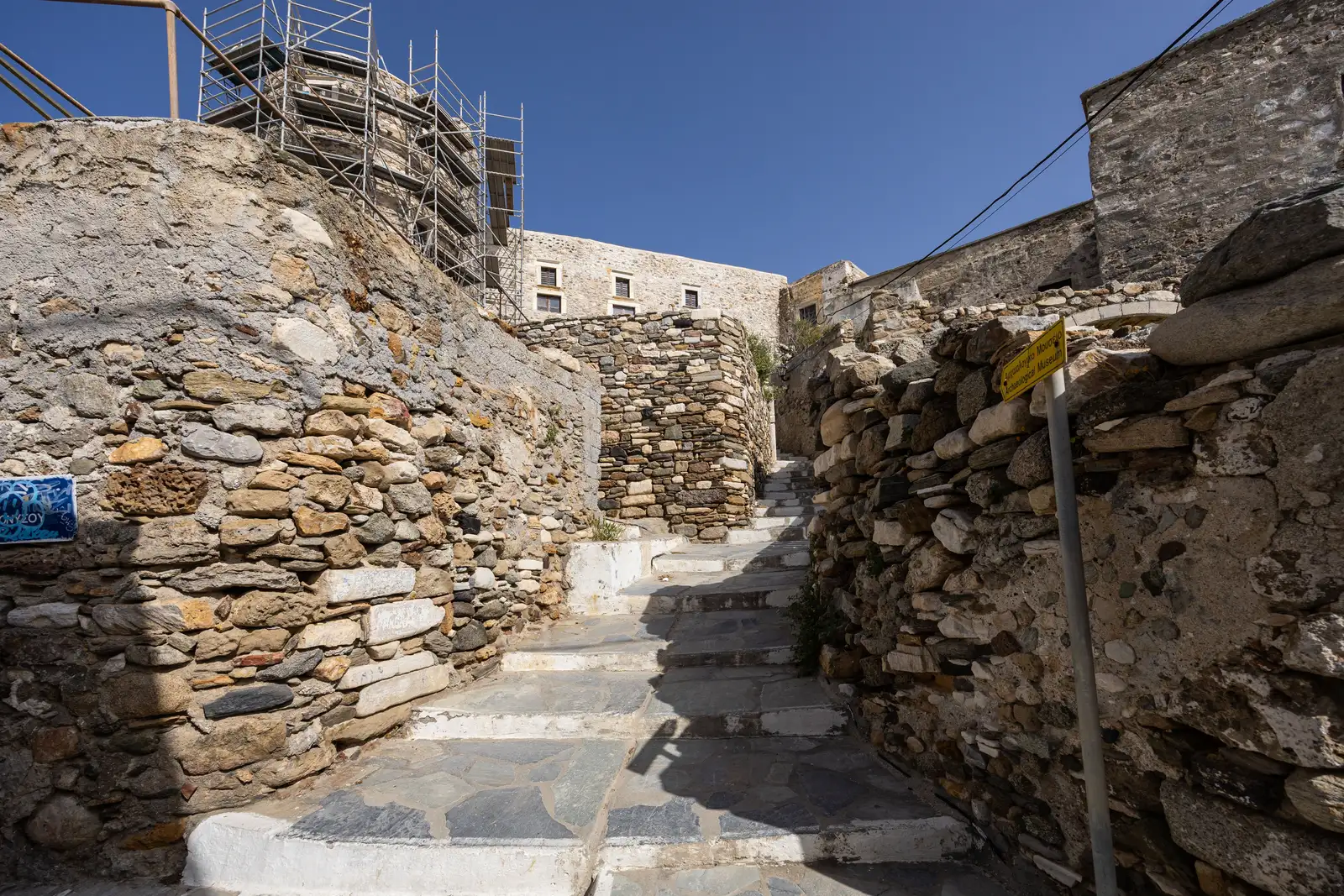
Right next to the cathedral is the Archaeological Museum of Naxos, housed in a beautiful historic mansion that once served as a Jesuit school and later as a commercial school. The famous Greek writer Nikos Kazantzakis, author of Zorba the Greek, studied here for a year in 1897–1898. The museum contains an important collection of Cycladic marble idols — the elegant white statues that inspired many modern artists.
A Living History
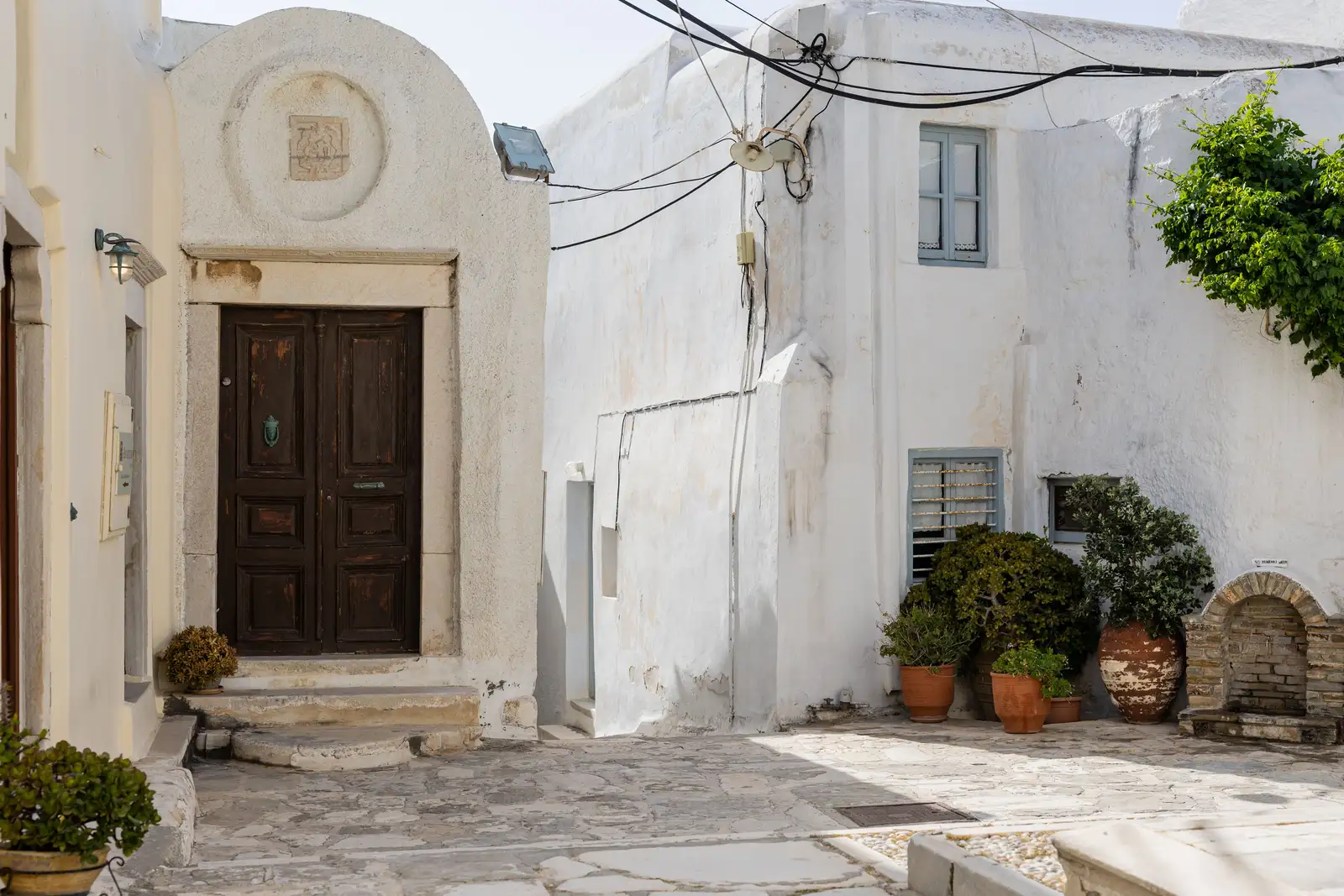
One of the most special things about the Kastro is that it is not simply a museum with a closing time. It remains a residential neighborhood where you may see laundry hanging from balconies or children playing in small courtyards. Some of the large mansions still belong to descendants of the old Venetian Catholic families who lived here centuries ago. The Della Rocca-Barozzi Mansion is one of the best examples. Part of this historic residence has been transformed into a folk museum where visitors can see how the aristocracy once lived, surrounded by antique furniture, heavy tapestries, and family heirlooms. The mansion also hosts cultural events and concerts as part of the Domus Festival. Tips for Your Visit The best time to visit the Kastro is in the late afternoon. The stone walls provide welcome shade during the hot summer days, and as the sun begins to set, the light turns the white marble and grey stone into shades of gold and pink.
Because the castle is built on a hill, several spots along the outer walls offer beautiful views of the Portara, the giant ancient marble doorway that stands on the small islet across the harbor. There is no ticket required to wander through the castle streets, although the museums and some of the historic mansions charge their own admission fees and operate on separate opening hours. The Kastro is a place best explored slowly and without a strict plan. Getting a little lost among the alleys is part of the experience, and almost every turn reveals a hidden chapel, a flower-filled balcony, or a quiet stone archway that feels untouched by time.